PARTNERSHIPS
AstraZeneca’s AI-CRISPR Gamble Could Rewrite Drug Discovery
A $555m pact with Algen Biotechnologies marries AI and CRISPR to speed drug discovery in immune diseases
4 Nov 2025
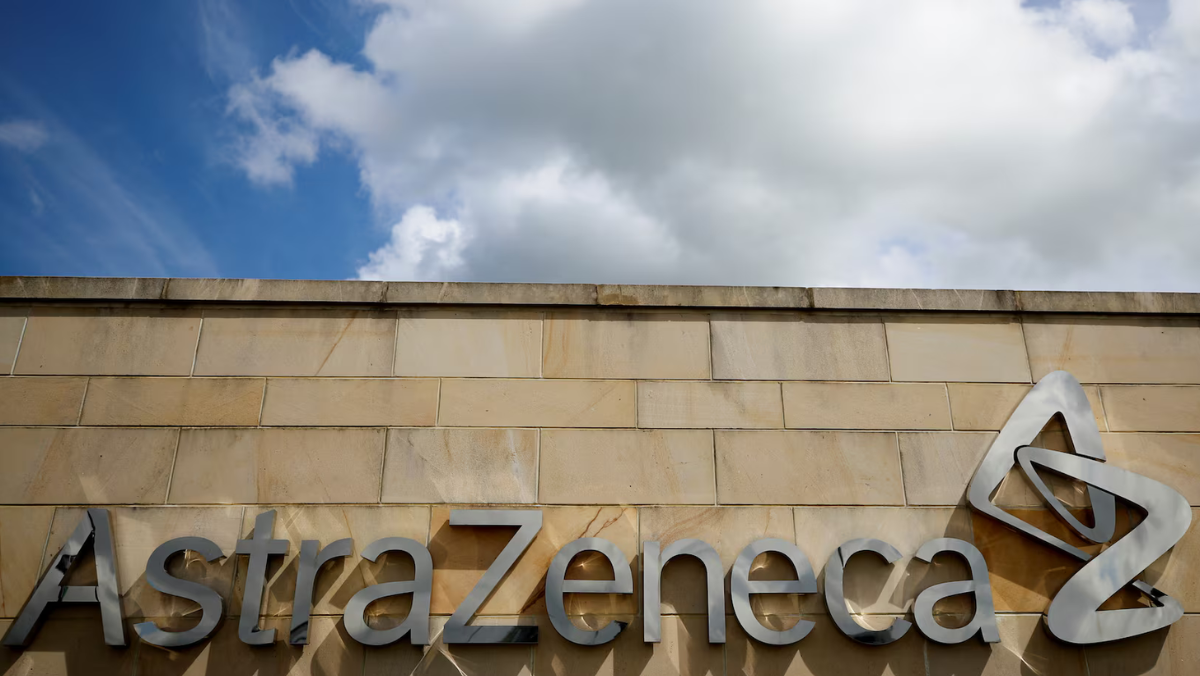
Drug discovery is notoriously slow and expensive. It can take over a decade and billions of dollars to bring a single treatment to market. AstraZeneca hopes to change that. The British-Swedish pharmaceutical giant is investing heavily in a new approach that fuses two technologies once confined to research labs: CRISPR gene editing and artificial intelligence.
CRISPR, which allows scientists to snip and modify genes with precision, has transformed biology in the past decade. But identifying which genes to target, and how those edits will affect disease, remains a guessing game. AstraZeneca’s wager is that AI can cut through this uncertainty. By analysing vast datasets of genetic and clinical information, machine-learning models can predict how genetic alterations might influence disease pathways, speeding up the hunt for promising targets.
Earlier this year the firm expanded its partnership with Illumina, a genomics company, to build large-scale “functional genomics” databases. It also teamed up with several AI start-ups, including Absci and BenevolentAI, to train models that design novel drug molecules and forecast their success in early testing. “This is not about replacing scientists,” insists Sharon Barr, AstraZeneca’s head of biopharmaceutical R&D, “but about giving them superpowers.”
The promise is seductive: shorter timelines, fewer failed trials, and a more rational process for selecting drug candidates. Yet the challenges are formidable. AI models are only as good as their data, and much genetic data is patchy, biased or incomplete. CRISPR experiments, meanwhile, can yield misleading results when performed at scale. Regulators, too, are wary of approving drugs whose development relied on algorithms few can explain.
Still, the potential gains are hard to ignore. AstraZeneca’s R&D spending has surged to over $10bn a year, with much of the increase directed towards data infrastructure and automation. If its bet pays off, the firm could redefine how big pharma operates, turning discovery from a laborious craft into a semi-automated science. If not, it will have merely proved that some revolutions, however elegant in theory, remain stubbornly human in practice.
Latest News
12 Dec 2025
CRISPR Breakthrough Brings Gene Editing Closer to Daily Care10 Dec 2025
AI Turbocharges Metagenomi’s CRISPR Quest24 Nov 2025
Lipid Cuts, Big Deals, and a New CRISPR Era19 Nov 2025
CRISPR GPT Sparks a Faster Era in Biotech Research
Related News
INNOVATION
12 Dec 2025
CRISPR Breakthrough Brings Gene Editing Closer to Daily Care

TECHNOLOGY
10 Dec 2025
AI Turbocharges Metagenomi’s CRISPR Quest
INSIGHTS
24 Nov 2025
Lipid Cuts, Big Deals, and a New CRISPR Era
SUBSCRIBE FOR UPDATES
By submitting, you agree to receive email communications from the event organizers, including upcoming promotions and discounted tickets, news, and access to related events.